
Discover how ancient glaciers, Stó:lō stewardship, the draining of Sumas Lake, and Clayburn bricks built modern Abbotsford—a local perspective from Don Goertz.Finding the Deeper Story

Dated: September 8 2026
Views: 75
Discover how ancient glaciers, Stó:lō stewardship, the draining of Sumas Lake, and Clayburn bricks built modern Abbotsford—a local perspective from Don Goertz.
Earlier today, I spent some quiet time walking through The Reach Gallery Museum on Veterans Way.
If you haven’t visited recently, it’s one of those local treasures that quietly stops you in your tracks. Between the contemporary art installations and the historical archives, there is a vivid timeline that traces the ground we walk on every single day.
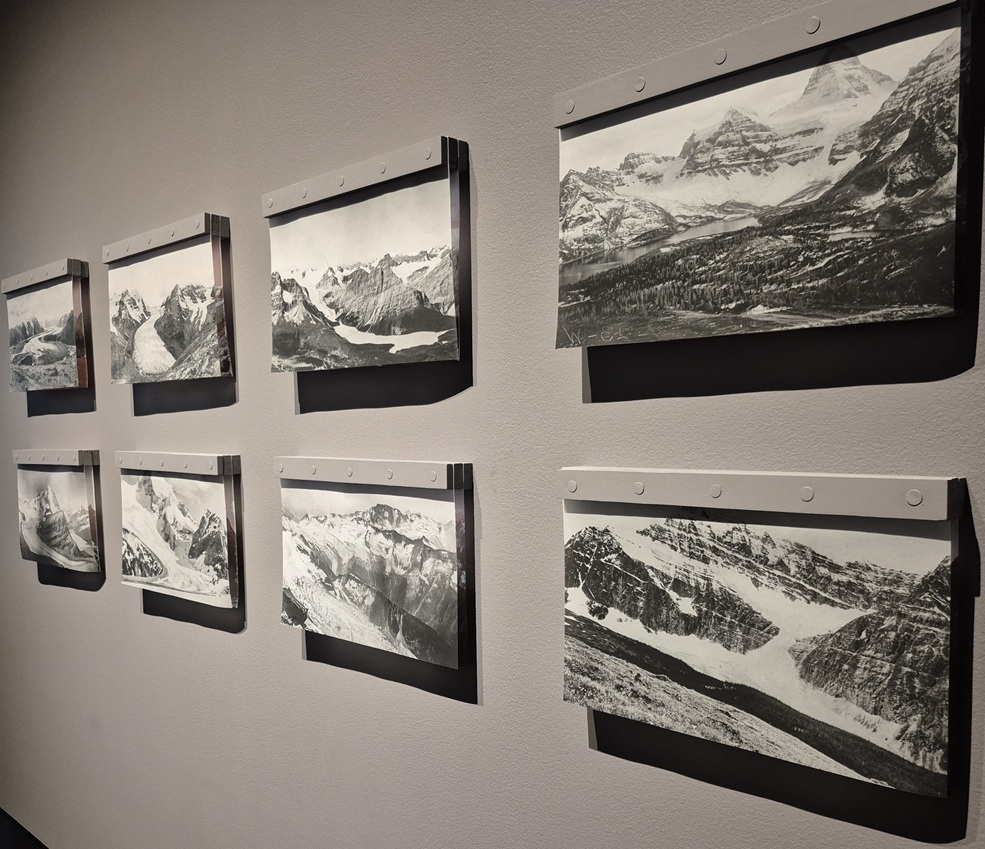
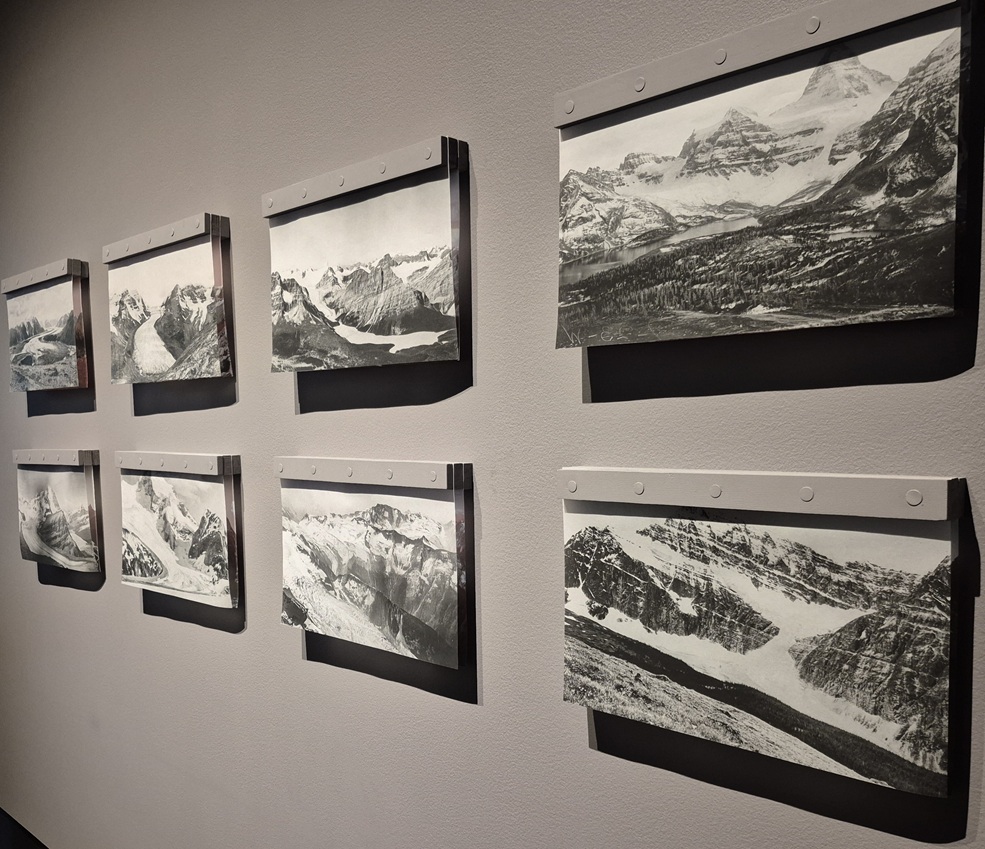
They currently have a compelling display on glaciers, paired with an interactive room that simulates the geological formation of our region dating back 25,000 to 50,000 years. As you watch the digital timeline roll forward, you witness colossal ice sheets grinding down rock, ancient riverbeds shifting, and the dramatic emergence of the mountains and valleys that frame our morning commutes.
Standing there, watching miles-thick ice retreat to reveal the Fraser Valley basin, it struck me: we spend so much time thinking about property lines, square footage, and floor plans, but how often do we pause to consider the story beneath our feet?
Every neighborhood in Abbotsford—from the quiet heritage lanes of Clayburn to the agricultural heart of Sumas Prairie and the vibrant shores of Mill Lake—carries the physical imprint of deep geological time and the diverse people who came before us.
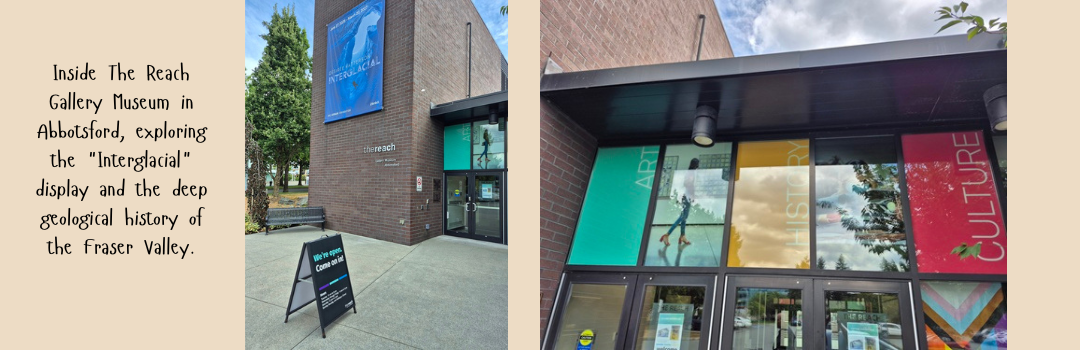 Abbotsford, exploring the "Interglacial" display and the deep geological history of the Fraser Valley." />
Before there were roads, property titles, or street names, our entire valley was locked beneath the vast Cordilleran Ice Sheet.
Between 15,000 and 25,000 years ago, that immense weight of ice carved out the Fraser River trough and sculpted the peaks we admire every sunny day—Sumas Mountain, Vedder Mountain, and the benchlands of Abbotsford. When that ice slowly receded:
When you look out over an East Abbotsford ridge at sunrise, you aren’t just looking at scenery; you are looking at the direct craftsmanship of ancient glacial meltwaters.
Long before European settlers set foot in the valley, the Stó:lō ("People of the River") lived in profound relationship with this land.
Specifically, the Semá:th (Sumas) and Máthexwi (Matsqui) First Nations inhabited and cared for these territories for millennia. Their seasonal and permanent settlements were not dictated by gridlines or survey stakes, but by the rhythms of the water, the salmon runs, and the extraordinary abundance of the valley:
Acknowledging this presence isn't just about reading a historical plaque; it’s about recognizing that our modern communities sit on lands that were loved, stewarded, and respected for countless generations.
One of the most remarkable parts of the museum’s presentation is the story of Semá:th Lake (Sumas Lake).
For many newcomers to Abbotsford, Sumas Prairie is simply a picturesque stretch of Highway 1 bordered by immaculate dairy barns and lush green fields. But just a century ago, that entire prairie was a shallow, 33,000-acre freshwater lake that would swell to more than 80,000 acres during spring freshets.
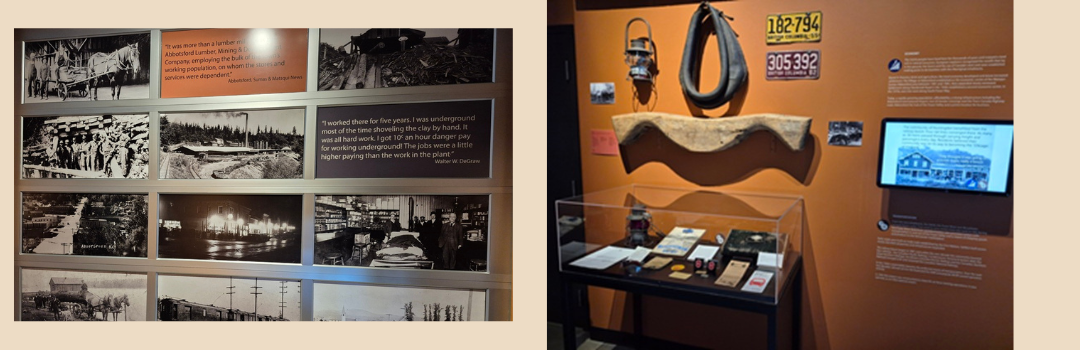
As the 20th century dawned, Abbotsford’s identity shifted from a rugged frontier outpost into a thriving industrial and agricultural hub. Two distinct local stories highlight how our neighborhoods grew:
High up on the slopes of Sumas Mountain, prospectors discovered an exceptional deposit of rich fireclay. In 1905, the Clayburn Company established British Columbia's very first planned "company town."
Before Mill Lake became the tranquil park and walking loop we cherish in Central Abbotsford, it was an industrious logging center.
Throughout my career in real estate and helping families with their moves in Abbotsford, I’ve had plenty of moments that humbled me.
Early on, it was easy to fall into the trap that many in real estate do—getting overly fixated on square footage, boundaries, and cosmetic finishes. Or focusing solely on development and profit. But when we look at a property, it’s worth pausing to remember how it came to be all those decades ago—and simply wondering at the incredible beauty of the place we call home.
It took time, multiple market cycles, and a few good lessons learned the hard way to realize that a home is never an island.
A home is part of a living ecosystem. When you understand:
...your relationship with where you live changes. You stop seeing a house merely as a financial transaction and begin seeing it as your personal chapter in an ongoing community story.
Whether you are looking to right-size from a long-time family home into a low-maintenance condo, or you're a thoughtful first-time buyer wanting to lay down roots in a neighborhood you can be proud of, Abbotsford offers something rare: a modern city deeply connected to its natural and cultural roots.
If you’re contemplating a move or simply want to chat about what makes each corner of this valley special, my door is always open. Let’s sit down, grab a coffee, and explore where your story fits into our community's next chapter.
Best,
Don Goertz
Associate Broker | Royal LePage Little Oak Realty
Guiding Transitions with Care, Experience, and Local Understanding

**Don Goertz - Experienced Realtor in Abbotsford and Mission, BC** With nearly four decades of real estate expertise, Don Goertz is a seasoned realtor dedicated to helping clients navigate the dynamic....
Discover how ancient glaciers, Stó:lō stewardship, the draining of Sumas Lake, and Clayburn bricks built modern Abbotsford—a local perspective from Don Goertz.Finding the Deeper Story
Understanding Bill 44 and Our New Density BylawsChange, especially when it touches the places we call home, can bring a mix of emotions – curiosity, certainly, and sometimes a bit of
uying a strata home, whether you're right-sizing after years in a detached house or taking the exciting leap as a first-time buyer, often comes with a unique set of worries. Chief among them? The
Enter the world of the Fraser Valley strata market, where things aren't always what they seem. I'm Don Goertz, your guide on the side, but in this case, you can call me Detective Don. Today, we're
 Copyright 2026 by Greater Vancouver REALTORS®. All Rights Reserved. NOTE: This representation is based in whole or in part on data generated by the Chilliwack & District Real Estate Board, Fraser Valley Real Estate Board
or Greater Vancouver REALTORS® which assumes no responsibility for its accuracy.
The trademarks REALTOR®, REALTORS®, and the REALTOR® logo are controlled by The Canadian Real Estate Association (CREA) and identify real estate professionals who are members of CREA. The trademarks MLS®, Multiple Listing Service® and the associated logos are owned by CREA and identify the quality of services provided by real estate professionals who are members of CREA. Used under license.
Last Updated: September 25, 2026 1:28 AM UTC
Copyright 2026 by Greater Vancouver REALTORS®. All Rights Reserved. NOTE: This representation is based in whole or in part on data generated by the Chilliwack & District Real Estate Board, Fraser Valley Real Estate Board
or Greater Vancouver REALTORS® which assumes no responsibility for its accuracy.
The trademarks REALTOR®, REALTORS®, and the REALTOR® logo are controlled by The Canadian Real Estate Association (CREA) and identify real estate professionals who are members of CREA. The trademarks MLS®, Multiple Listing Service® and the associated logos are owned by CREA and identify the quality of services provided by real estate professionals who are members of CREA. Used under license.
Last Updated: September 25, 2026 1:28 AM UTC
The property information on this website is derived from Royal LePage listings and the Canadian Real Estate Association's Data Distribution Facility (DDF®) . DDF® references real estate listings held by brokerage firms other than Royal LePage and its franchisees. The above information is from sources believed reliable, however, no responsibility is assumed for the accuracy of this information. Contact information is provided to facilitate inquiries from consumers interested in real estate services. Please do not contact the website owner with unsolicited commercial offers.
The MLS® mark and associated logos identify professional services rendered by REALTOR® members of CREA to effect the purchase, sale and lease of real estate as part of a cooperative selling system.
The trademarks REALTOR®, REALTORS® and the REALTOR® logo are controlled by The Canadian Real Estate Association (CREA) and identify real estate professionals who are members of CREA. The trademarks MLS®, Multiple Listing Service® and the associated logos are owned by CREA and identify the quality of services provided by real estate professionals who are members of CREA.
All offices are independently owned and operated, except those marked as indicated. View important disclosures and notices about Royal LePage® trademarks at rlp.ca/notices. © 2026 Bridgemarq Real Estate Services®. All rights reserved.